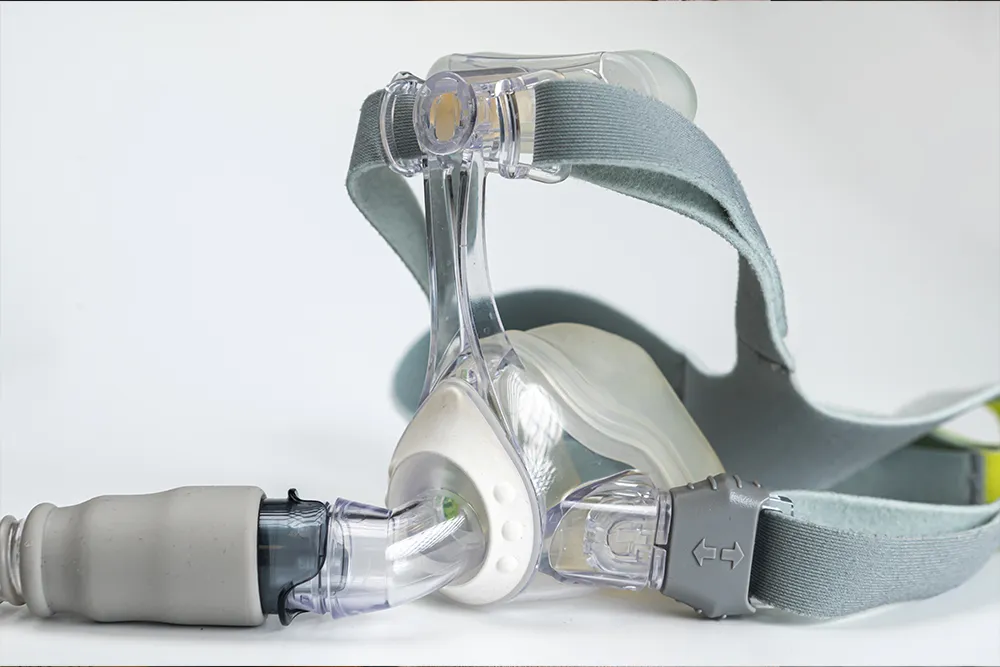
Sleep Apnea
$10.00
Group or office purchases: Each course is tied to the account that buys it. To enroll several people, sign in as each person and complete checkout on their account (you may use the same payment method each time).
Course Overview
Obstructive Sleep Apnea (OSA) is a prevalent yet underdiagnosed condition with serious systemic health consequences. As primary healthcare providers, dental professionals are in a unique position to screen for sleep-related breathing disorders and facilitate life-saving treatment. This course explores the pathophysiology of sleep apnea, its oral and systemic manifestations, and the critical role of the dental team in early identification.
The curriculum delves into the various treatment modalities for OSA, with a specific focus on Oral Appliance Therapy (OAT). Participants will examine the mechanism of action of mandibular advancement devices, patient selection criteria, and the collaborative workflow required between dentists and sleep physicians to ensure optimal patient outcomes.
By integrating sleep medicine principles into daily practice, dentists can significantly impact their patients' quality of life. This course provides the essential knowledge to confidently screen, refer, and co-manage patients with sleep apnea, bridging the gap between oral health and systemic wellness.
Learning Objectives
After completing this course, participants will be able to:
- Define Obstructive Sleep Apnea (OSA) and differentiate it from central sleep apnea and snoring.
- Identify common clinical signs, symptoms, and risk factors of sleep apnea during a routine dental examination.
- Explain the potential systemic health risks associated with untreated sleep apnea, including cardiovascular disease and metabolic disorders.
- Utilize validated screening tools and questionnaires to assess patient risk for sleep-related breathing disorders.
- Describe the indications, contraindications, and mechanism of action of oral appliance therapy (OAT).
- Compare the design and function of various mandibular advancement devices used in sleep medicine.
- Outline the protocol for referring patients to sleep physicians for diagnosis and interpreting sleep study results.
- Discuss the legal and ethical considerations of treating sleep apnea in a dental setting.
Related Courses
2 Hour Infection Control
$30.00|2.0 CEU|120 min
Advances in Dentistry
$10.00|2.0 CEU|120 min

AIDS: HIV-1 Vaccine Update
$10.00|2.0 CEU|120 min