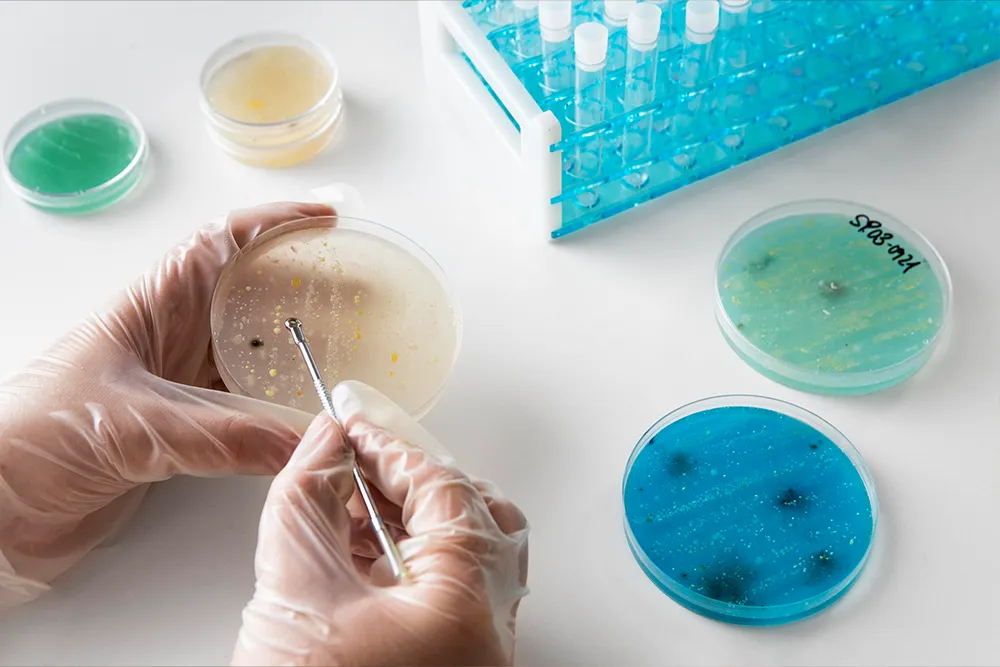
Research & Applications of Dental Stem Cells
$10.00
Group or office purchases: Each course is tied to the account that buys it. To enroll several people, sign in as each person and complete checkout on their account (you may use the same payment method each time).
Course Overview
Regenerative medicine has entered a transformative era with the discovery and characterization of dental stem cells. Sourced from accessible tissues such as the dental pulp, periodontal ligament, and apical papilla, these mesenchymal stem cells exhibit remarkable multipotency and proliferative capacity. This course provides a comprehensive examination of the biology of dental stem cells, their isolation methods, and their distinct advantages over other stem cell sources in regenerative therapies.
The curriculum explores the current and potential clinical applications of these cells, ranging from the regeneration of dental tissues like pulp and bone to broader systemic uses in neurology and orthopedics. Participants will gain insight into the banking of dental stem cells, the process of cryopreservation, and the ethical considerations surrounding their collection and use. Understanding these biological assets allows dental professionals to educate patients on the value of preserving these tissues for future medical needs.
By bridging the gap between basic science and clinical practice, this course empowers dental practitioners to become active participants in the field of regenerative medicine. It addresses the critical role of the dentist in identifying suitable candidates for stem cell banking and outlines the future landscape of bioengineered tooth and tissue replacement strategies.
Learning Objectives
After completing this course, participants will be able to:
- Define dental stem cells and classify them based on their origin, such as Dental Pulp Stem Cells (DPSCs) and Stem Cells from Human Exfoliated Deciduous teeth (SHED).
- Compare the biological characteristics, potency, and ethical advantages of dental stem cells versus embryonic and bone marrow-derived stem cells.
- Describe the protocols for the collection, isolation, and cryopreservation of dental stem cells in a clinical setting.
- Explain the potential clinical applications of dental stem cells in regenerating oral tissues, including alveolar bone, periodontal ligament, and dentin-pulp complex.
- Discuss the current research status and future possibilities of using dental stem cells for systemic conditions such as neurodegenerative diseases and tissue repair.
- Identify the indications and contraindications for dental stem cell banking and how to counsel patients regarding this option.
- Outline the regulatory and safety guidelines governing the therapeutic use of human cells and tissue-based products.
- Evaluate the challenges and limitations currently facing the translation of dental stem cell research into routine clinical practice.
Related Courses
2 Hour Infection Control
$30.00|2.0 CEU|120 min
Advances in Dentistry
$10.00|2.0 CEU|120 min
AIDS: HIV-1 Vaccine Update
$10.00|2.0 CEU|120 min