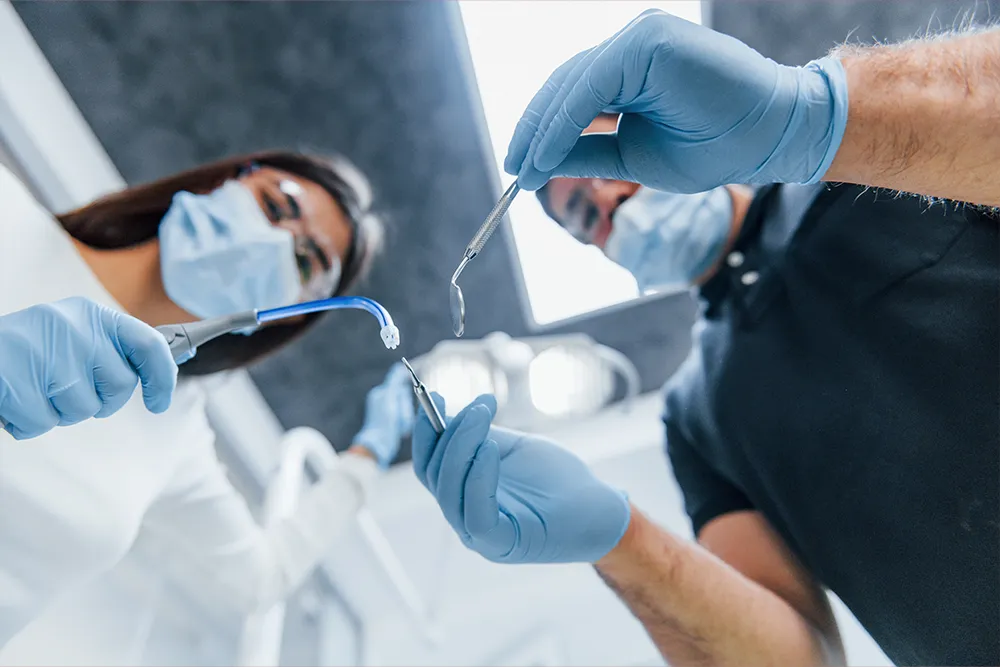
Periodontal Therapy Options: Arestin, PerioChip, Atridox and Periostat®
$10.00
Group or office purchases: Each course is tied to the account that buys it. To enroll several people, sign in as each person and complete checkout on their account (you may use the same payment method each time).
Course Overview
Non-surgical periodontal therapy, specifically Scaling and Root Planing (SRP), remains the gold standard for treating chronic periodontitis. However, mechanical debridement alone often fails to eliminate all pathogens, particularly in deep pockets, furcations, and root concavities where instruments cannot reach. This course explores the role of adjunctive pharmacotherapies in managing these refractory or persistent sites, bridging the gap between standard hygiene appointments and surgical intervention.
The curriculum provides a detailed comparison of the three major FDA-approved Locally Administered Antibiotics (LDAs): Arestin® (Minocycline microspheres), PerioChip® (Chlorhexidine gluconate), and Atridox® (Doxycycline hyclate). It examines the unique delivery systems, mechanisms of action, and placement techniques for each, helping clinicians select the appropriate agent based on defect morphology and patient history. Furthermore, the course shifts focus from killing bacteria to modifying the host response with Periostat® (Sub-antimicrobial Dose Doxycycline). It explains the science of host modulation therapy (HMT) and how suppressing collagenase enzymes can stabilize the periodontium.
By integrating these therapeutic options into a comprehensive periodontal treatment plan, dental professionals can improve probing depth reductions, gain clinical attachment levels, and reduce bleeding on probing more effectively than with SRP alone. This course equips the dental team with the clinical criteria, billing knowledge, and communication skills necessary to implement these therapies successfully.
Learning Objectives
After completing this course, participants will be able to:
- Identify the limitations of mechanical scaling and root planing in deep periodontal pockets and furcations.
- Compare and contrast the release profiles and resorption mechanisms of Arestin, PerioChip, and Atridox.
- Demonstrate the correct placement technique for each local delivery agent.
- Explain the mechanism of action of Periostat (Doxycycline Hyclate 20mg) as a host modulation agent versus an antibiotic.
- Determine the appropriate clinical indications and contraindications for each adjunctive therapy.
- Develop a treatment plan that integrates locally applied antimicrobials with systemic host modulation where appropriate.
- Communicate the benefits, costs, and post-operative instructions of these therapies effectively to patients.
- Apply correct CDT coding (e.g., D4381) for reimbursement and documentation of site-specific therapy.
Related Courses
2 Hour Infection Control
$30.00|2.0 CEU|120 min
Advances in Dentistry
$10.00|2.0 CEU|120 min
AIDS: HIV-1 Vaccine Update
$10.00|2.0 CEU|120 min