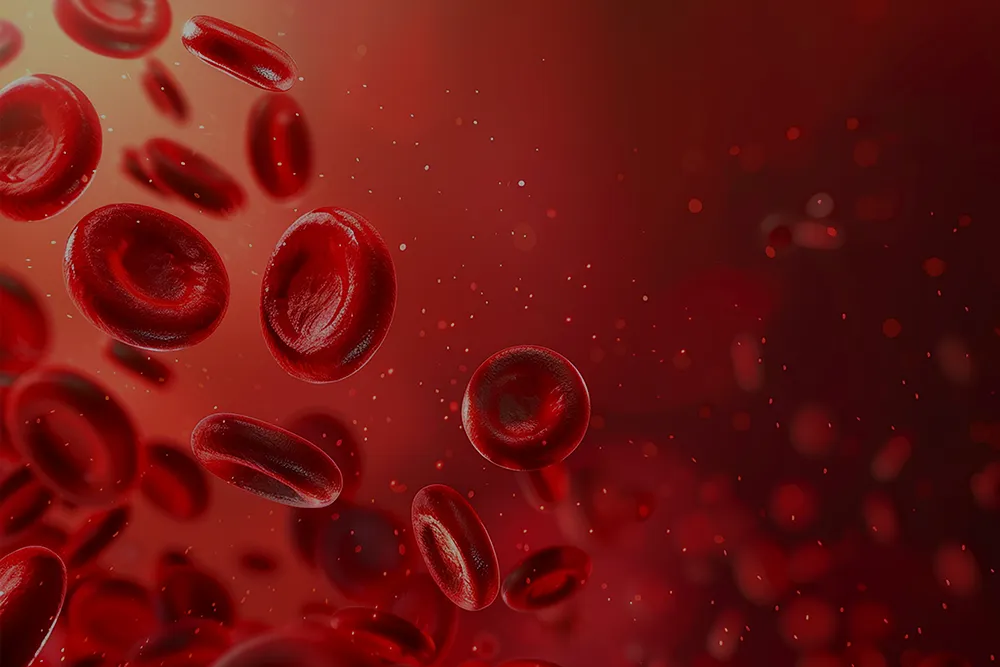
Choukroun’s PRF Protocol for Oral Tissue Regeneration
$10.00
Group or office purchases: Each course is tied to the account that buys it. To enroll several people, sign in as each person and complete checkout on their account (you may use the same payment method each time).
Course Overview
Advances in regenerative dentistry have shifted the focus of oral surgery and periodontics toward biologically driven healing rather than mechanical repair. Platelet-Rich Fibrin (PRF) is a cornerstone of this movement, providing a simple, autologous biomaterial that enhances the body’s natural healing capacity. Developed by Dr. Joseph Choukroun in 2001, PRF represents the second generation of platelet concentrates and differs fundamentally from its predecessor, Platelet-Rich Plasma (PRP), by eliminating anticoagulants, synthetic additives, and artificial activation agents.
The Choukroun PRF protocol harnesses the patient’s own blood to create a fibrin matrix rich in platelets, leukocytes, and growth factors. When applied to surgical sites, this biologically active scaffold promotes angiogenesis, fibroblast migration, collagen synthesis, and bone remodeling. PRF’s versatility has made it a standard adjunct in oral surgery, implantology, sinus grafting, and periodontal regeneration.
This course examines the scientific principles, preparation technique, and clinical applications of Choukroun’s PRF, including its modifications such as Advanced PRF (A-PRF) and Injectable PRF (i-PRF). It reviews supporting literature, best practices, and potential limitations to help dental professionals integrate PRF confidently into daily clinical practice.
Learning Objectives
Upon completion of this course, participants will be able to:
- Explain the biological composition and function of Platelet-Rich Fibrin.
- Describe the Choukroun PRF preparation process, including centrifugation parameters and handling considerations.
- Differentiate between L-PRF, A-PRF, and i-PRF and select the appropriate form for each clinical indication.
- Integrate PRF into oral surgical, implant, and periodontal procedures to enhance healing.
- Evaluate the current research evidence supporting PRF’s efficacy and understand its limitations.
- Apply safety standards and patient communication practices for ethical use of autologous materials.
Related Courses
2 Hour Infection Control
$30.00|2.0 CEU|120 min
Advances in Dentistry
$10.00|2.0 CEU|120 min
AIDS: HIV-1 Vaccine Update
$10.00|2.0 CEU|120 min