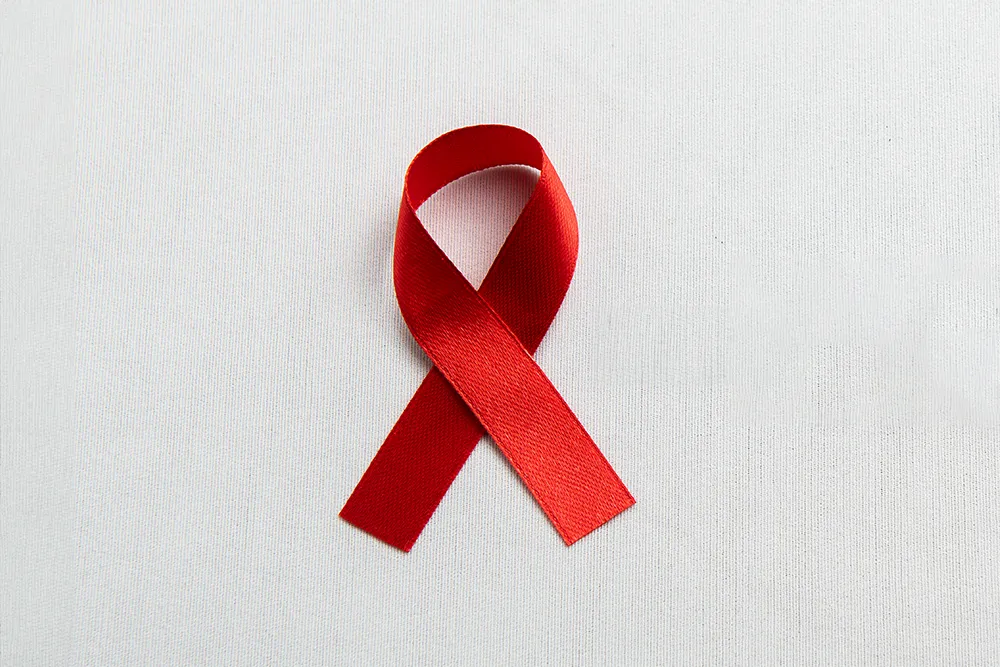
The Global Epidemic of HIV & AIDS
$10.00
Group or office purchases: Each course is linked to the account and email address used at checkout. For multiple employees or students, each person must have their own account, unique email address, and separate purchase. The same payment method may be used for all purchases.
Course Overview
The Human Immunodeficiency Virus (HIV) remains one of the world's most significant public health challenges. This course provides a comprehensive update on the global epidemic, examining the shift from a fatal diagnosis to a manageable chronic condition through Antiretroviral Therapy (ART). It explores the epidemiology of the virus, current transmission trends, and the pathophysiology of how HIV attacks the immune system, leading to Acquired Immunodeficiency Syndrome (AIDS).
Dental professionals play a critical role in the early detection of HIV, as oral lesions are often the first clinical sign of infection. This course details the specific oral manifestations associated with HIV, including candidiasis, hairy leukoplakia, Kaposi's sarcoma, and aggressive periodontal diseases. It equips clinicians with the knowledge to identify these conditions and refer patients for appropriate medical testing and care.
Finally, the curriculum addresses the practical aspects of treating patients living with HIV. It covers current medical management protocols, drug interactions with common dental prescriptions, and the importance of standard precautions. Crucially, it tackles the ethical and legal responsibilities of the dental team, emphasizing the need to provide compassionate, non-discriminatory care while combating the stigma that still surrounds the disease.
Learning Objectives
After completing this course, participants will be able to:
- Describe the global and regional epidemiology of HIV/AIDS and identify key populations at risk.
- Explain the pathophysiology of HIV infection, including the viral life cycle and the destruction of CD4+ T cells.
- List the primary modes of transmission and effective prevention strategies, such as PrEP and PEP.
- Identify common fungal and bacterial oral manifestations associated with HIV/AIDS.
- Recognize viral and neoplastic oral lesions, including Kaposi’s sarcoma and oral hairy leukoplakia.
- Discuss the mechanism of Antiretroviral Therapy (ART) and its implications for dental treatment.
- Outline specific dental management modifications for patients with compromised immunity or bleeding disorders.
- Apply standard infection control precautions and ethical principles to prevent discrimination and stigma in the dental setting.
Related Courses
12 CEU Bundle
Original price was: $100.00.$95.00Current price is: $95.00.|12.0 CEU|720 min
2 Hour Infection Control
$30.00|2.0 CEU|120 min
25 CEU Bundle
Original price was: $170.00.$165.00Current price is: $165.00.|25.0 CEU|1500 min