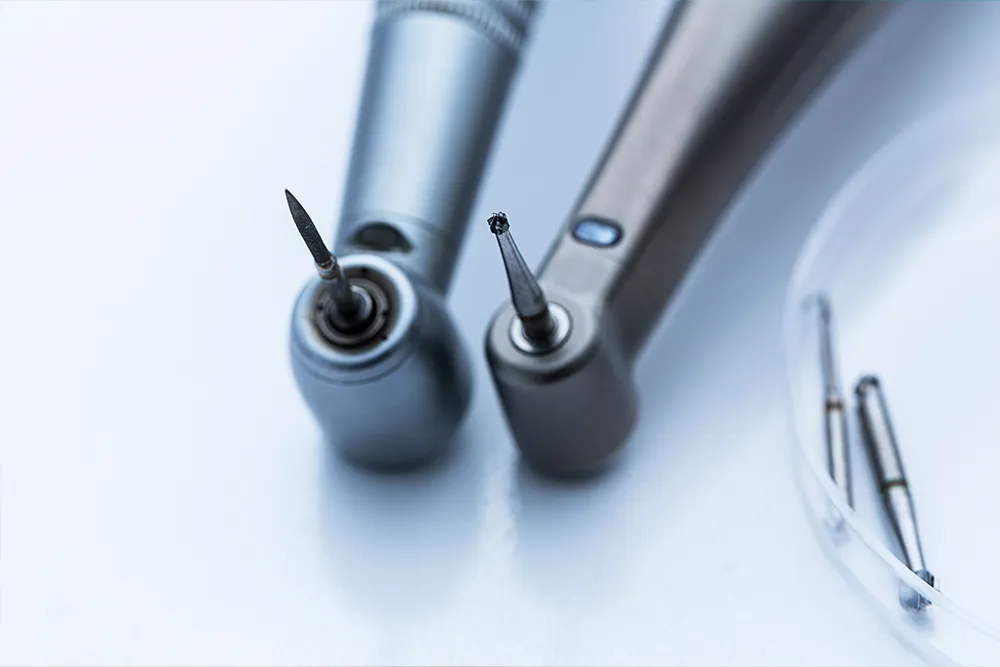
Waterline Safety
$10.00
Group or office purchases: Each course is linked to the account and email address used at checkout. For multiple employees or students, each person must have their own account, unique email address, and separate purchase. The same payment method may be used for all purchases.
Course Overview
Dental unit waterlines (DUWLs) play a vital role in modern dentistry, delivering water for irrigation, cooling, and rinsing during procedures. Despite their importance, waterlines represent one of the most significant microbiological challenges in dental practice. The narrow-bore plastic tubing, intermittent water flow, and ambient water temperature create an ideal environment for the development of microbial biofilms. Over time, these biofilms can harbor bacteria, fungi, and protozoa that may pose serious risks to both patients and dental staff.
The importance of maintaining clean and safe dental waterlines extends beyond infection control, it reflects the profession’s ethical responsibility to provide care that meets the highest standards of safety and quality. The Centers for Disease Control and Prevention (CDC) and the American Dental Association (ADA) have established clear recommendations regarding waterline maintenance and acceptable microbial levels. However, studies continue to show that without consistent protocols, waterline contamination can quickly exceed these standards, sometimes reaching bacterial counts similar to those found in stagnant tap water or untreated environmental sources.
This course is designed to provide dental professionals with the knowledge and tools needed to understand, monitor, and maintain waterline safety. Participants will explore the microbiological basis of contamination, the risks posed by biofilms, and the evidence-based practices required to keep dental unit water systems compliant and safe for patient care.
Learning Objectives
- Explain how microbial contamination develops and persists in dental unit waterlines.
- Describe the composition and behavior of biofilms within DUWL systems.
- Identify the major water-quality standards and guidelines established by the CDC, ADA, and EPA.
- Recognize the potential health risks associated with exposure to contaminated dental water.
- Discuss methods for testing, monitoring, and evaluating waterline microbial quality.
- Understand the factors influencing contamination, including system design and maintenance practices.
- Apply evidence-based principles to develop an effective waterline safety protocol.
Related Courses
12 CEU Bundle
Original price was: $100.00.$95.00Current price is: $95.00.|12.0 CEU|720 min
2 Hour Infection Control
$30.00|2.0 CEU|120 min
25 CEU Bundle
Original price was: $170.00.$165.00Current price is: $165.00.|25.0 CEU|1500 min