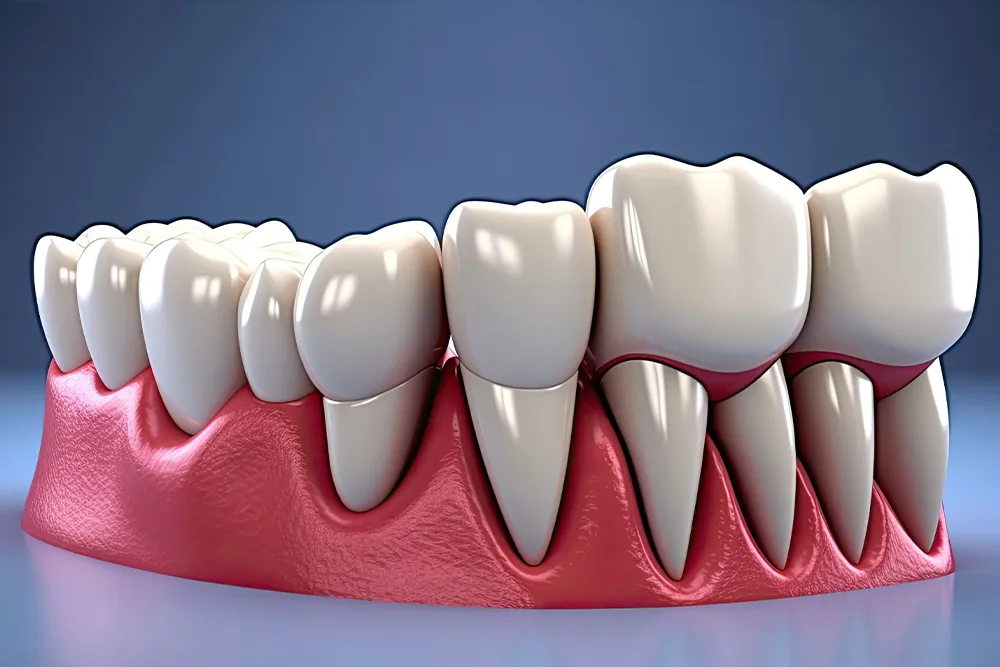
Ceramic Crown and Bridge
$10.00
Group or office purchases: Each course is linked to the account and email address used at checkout. For multiple employees or students, each person must have their own account, unique email address, and separate purchase. The same payment method may be used for all purchases.
Course Overview
Ceramic crowns and bridges represent the pinnacle of esthetic and functional restorative dentistry, delivering lifelike appearance, biocompatibility, and long-term durability. Advances in ceramic materials and adhesive techniques have dramatically expanded their clinical indications, allowing for both conventional and minimally invasive tooth replacement options. Today’s practitioners are equipped with an array of ceramics—feldspathic, glass-ceramic, zirconia, hybrid—each offering unique advantages in terms of strength, optical properties, and adaptability to digital workflows.
To ensure success with ceramic restorations, clinicians must master the science of material selection, evidence-based preparation guidelines, and protocols for impression-taking, provisionalization, try-in, and adhesive or conventional cementation. Equally important is the ability to assess patient-specific risk factors, anticipate complications such as chipping or debonding, and educate patients on maintenance to support long-term outcomes. This comprehensive course will integrate foundational science, current best practices, and emerging trends to empower providers to deliver optimal results with crowns and bridges in diverse patient populations.
Participants will gain practical knowledge and clinical confidence through discussion of preparation design, laboratory communication, cementation, troubleshooting, and the integration of CAD/CAM and new material technologies. By the end of this course, dental professionals will be prepared to offer patient-centered, esthetically pleasing, and long-lasting ceramic prosthodontic solutions.
Learning Objectives
- Describe the development, classification, and properties of contemporary dental ceramics.
- Identify clinical indications and contraindications for different types of ceramic crowns and bridges.
- Apply evidence-based tooth preparation guidelines appropriate for various ceramic materials.
- Distinguish between conventional and digital impression/scanning protocols for ceramic prostheses.
- Communicate effectively with dental laboratories for optimal shade matching and prosthesis fabrication.
- Evaluate fit, perform adjustment, and select appropriate cements and surface treatments for long-term success.
- Recognize and manage common complications, including chipping, fracture, and loss of retention.
- Educate patients on maintenance and recall protocols to maximize longevity of ceramic restorations.
- Critically assess trends in CAD/CAM technology, novel materials, and minimally invasive ceramic procedures.
Related Courses
12 CEU Bundle
Original price was: $100.00.$95.00Current price is: $95.00.|12.0 CEU|720 min
2 Hour Infection Control
$30.00|2.0 CEU|120 min
25 CEU Bundle
Original price was: $170.00.$165.00Current price is: $165.00.|25.0 CEU|1500 min