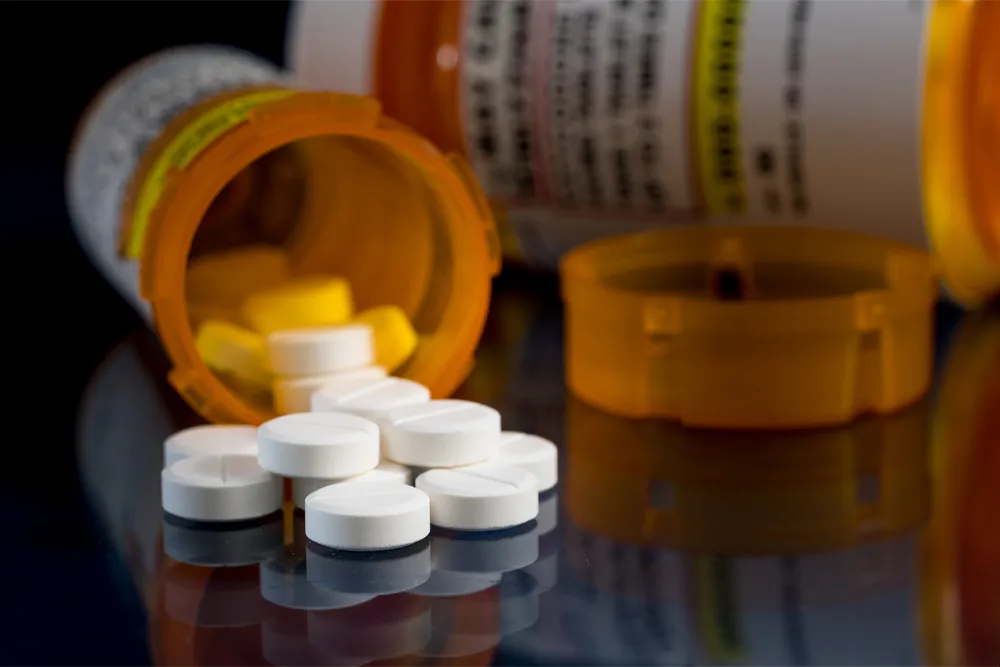
Responsibilities and Requirements of Prescribing Schedule II Opioid Drugs
$50.00
Group or office purchases: Each course is linked to the account and email address used at checkout. For multiple employees or students, each person must have their own account, unique email address, and separate purchase. The same payment method may be used for all purchases.
Course Overview
Beginning January 1, 2023, dentists licensed in California are required to complete an approved Dental
Board of California (DBC) two-unit continuing education course every two years on the responsibilities
and requirements of prescribing and dispensing Schedule II opioids as a condition of license renewal.
The new mandatory course is in addition to the courses in basic life support, California Infection Control
and the California Dental Practice Act that are already required for license renewal. The course
includes “the requirements of prescribing Schedule II opioid drugs, the practices for pain management in
dentistry, regulatory requirements for prescribers and dispensers, and dental office procedures for
managing vulnerable or substance use disorder patients”. (Ref. Dental Board 16 CCR 1016, 1016.2, 1017)
Schedule II opioids are defined as drugs with a high potential for abuse that can lead to both
psychological and/or physical dependence. This course will assist dentists to reduce the incidence of
opioid addiction and overdose by increasing awareness and education among prescribers and patients
regarding acute pain management in dentistry including vulnerable patients. Education is a key
component in understanding the very addictive nature of Schedule II controlled substances which can be
very addictive and cause drug overdoses if not used carefully. The primary goal of the course is to assist
practitioners to provide patients with customized pain management plans that fit their needs and reduce
their need for opioids.
Learning Objectives
- Describe best practices for pain management in dentistry, including pharmacologic and non-pharmacologic strategies for controlling acute and post-operative pain.
- Explain key federal and state regulatory requirements for prescribers and dispensers of controlled substances in the dental setting.
- Identify expected levels and typical patterns of post-operative pain associated with common dental procedures in order to select appropriate analgesic regimens.
- Outline office protocols for safely managing vulnerable patients and those with known or suspected substance use disorders, including screening, documentation, and referral.
- Distinguish among the schedules of prescription drugs, provide examples in each category, and relate the associated risk levels and abuse potential of each schedule.
- Define and differentiate drug misuse, drug abuse, and drug addiction, and explain the clinical relevance of these distinctions in dental practice.
- Recognize common drug-seeking behaviors in patients and respond using ethically and legally sound strategies.
- Describe the practitioner’s responsibilities for safe opioid and controlled substance prescribing, including dosing, duration, monitoring, and patient education to minimize misuse and diversion.
Related Courses

12 CEU Bundle
Original price was: $100.00.$95.00Current price is: $95.00.|12.0 CEU|720 min
2 Hour Infection Control
$30.00|2.0 CEU|120 min
25 CEU Bundle
Original price was: $170.00.$165.00Current price is: $165.00.|25.0 CEU|1500 min